Insights

Great workplace design starts with deep understanding. Our collection of insights articles provides expert commentary and strategic analysis on the most pressing issues in the professional landscape. We dissect emerging trends and critical events, offering the focused perspective and actionable intelligence required to inform better strategy and delivery decisions.

Technical project management combines client-side project management with technical, cost and construction expertise. At Spaceful, it is embedded throughout our Discover, Design and Deliver phases, helping businesses maintain control of scope, cost, programme, quality and risk from early workplace and property decisions through to handover and post-occupancy.

The Property Council of Australia’s July 2026 Office Market Report shows demand concentrating in higher-quality buildings and key locations, despite high overall vacancy. For businesses planning an office move, a clear workplace and property strategy can help define requirements early and support better decisions around location, cost and timing. 

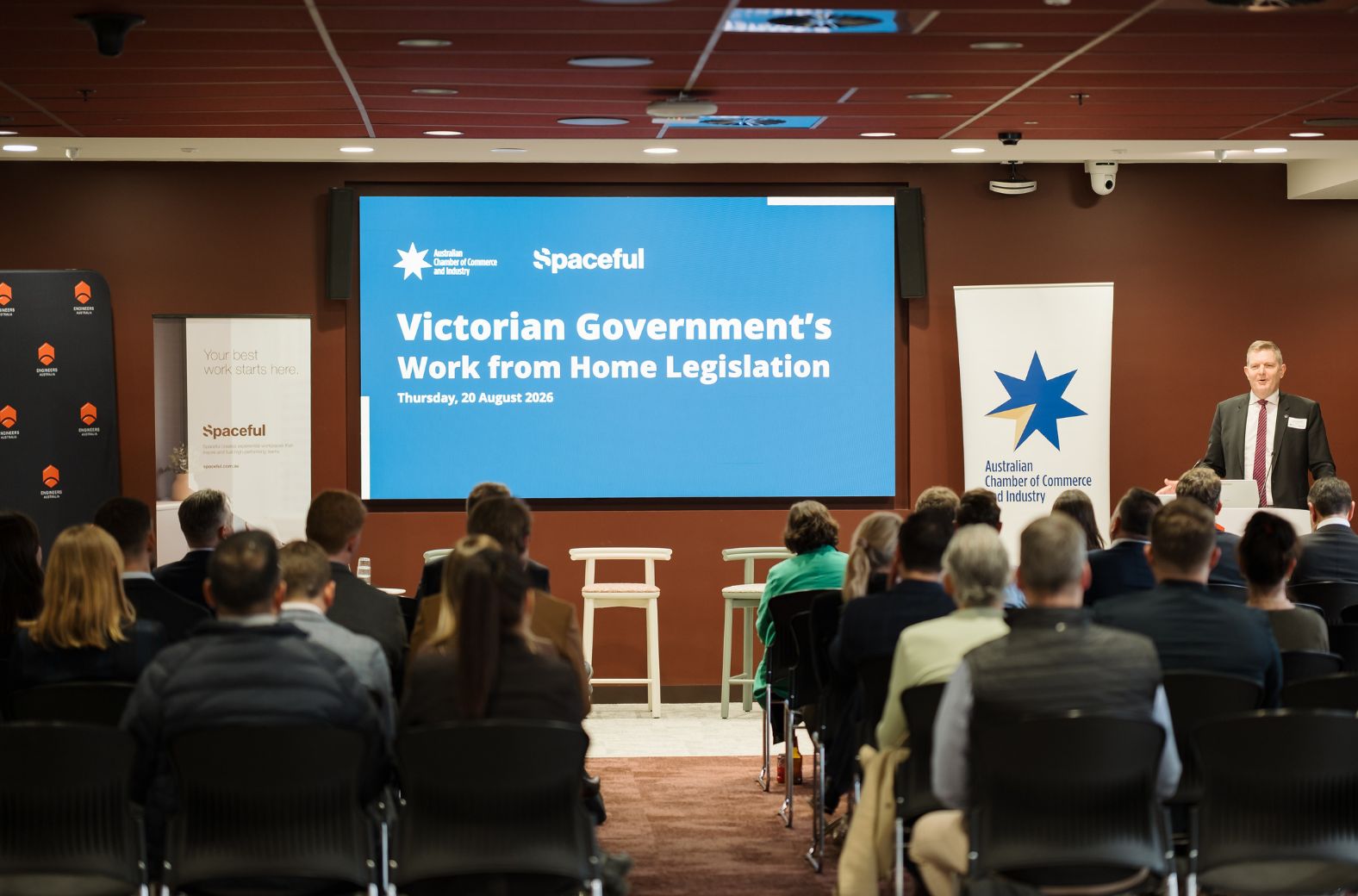
Victoria’s work-from-home legislation could significantly change how employers manage flexible work. At a recent Spaceful and Australian Chamber of Commerce and Industry (ACCI) event in Melbourne, business, legal and workplace relations leaders discussed what the changes could mean in practice and what businesses should be considering now.

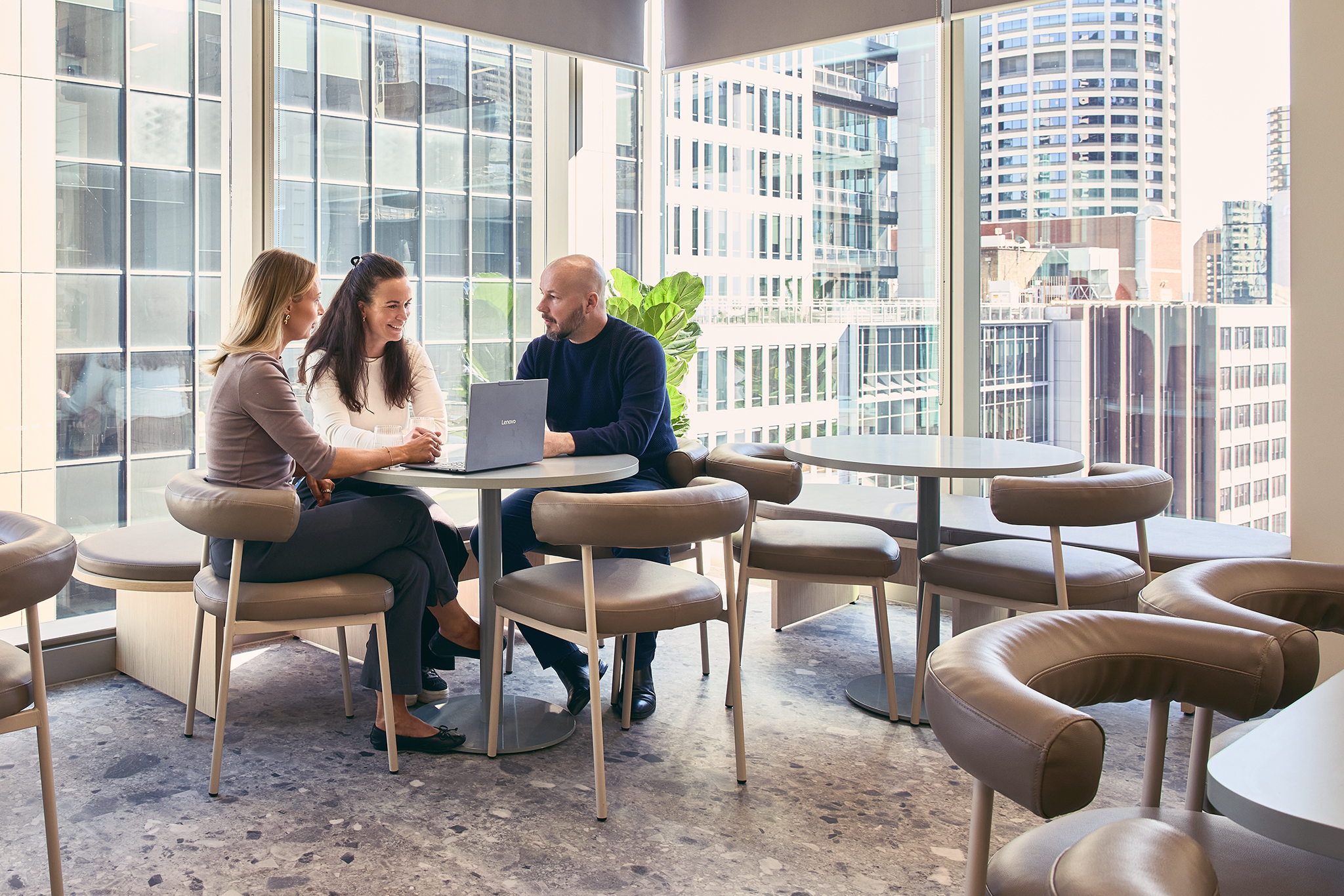
The future workplace is being judged by how well it supports the working day. Insights from the 2026 Spaceful Workplace Summit show that business leaders are looking beyond attendance and focusing on offices that improve experience, reduce friction and create stronger reasons for people to come together.

Deciding whether to refurbish or move office is about more than upfront cost. This article explores how relocation can help businesses right-size their space, improve workplace performance, access better incentives and create an office that supports people, clients and long-term value.

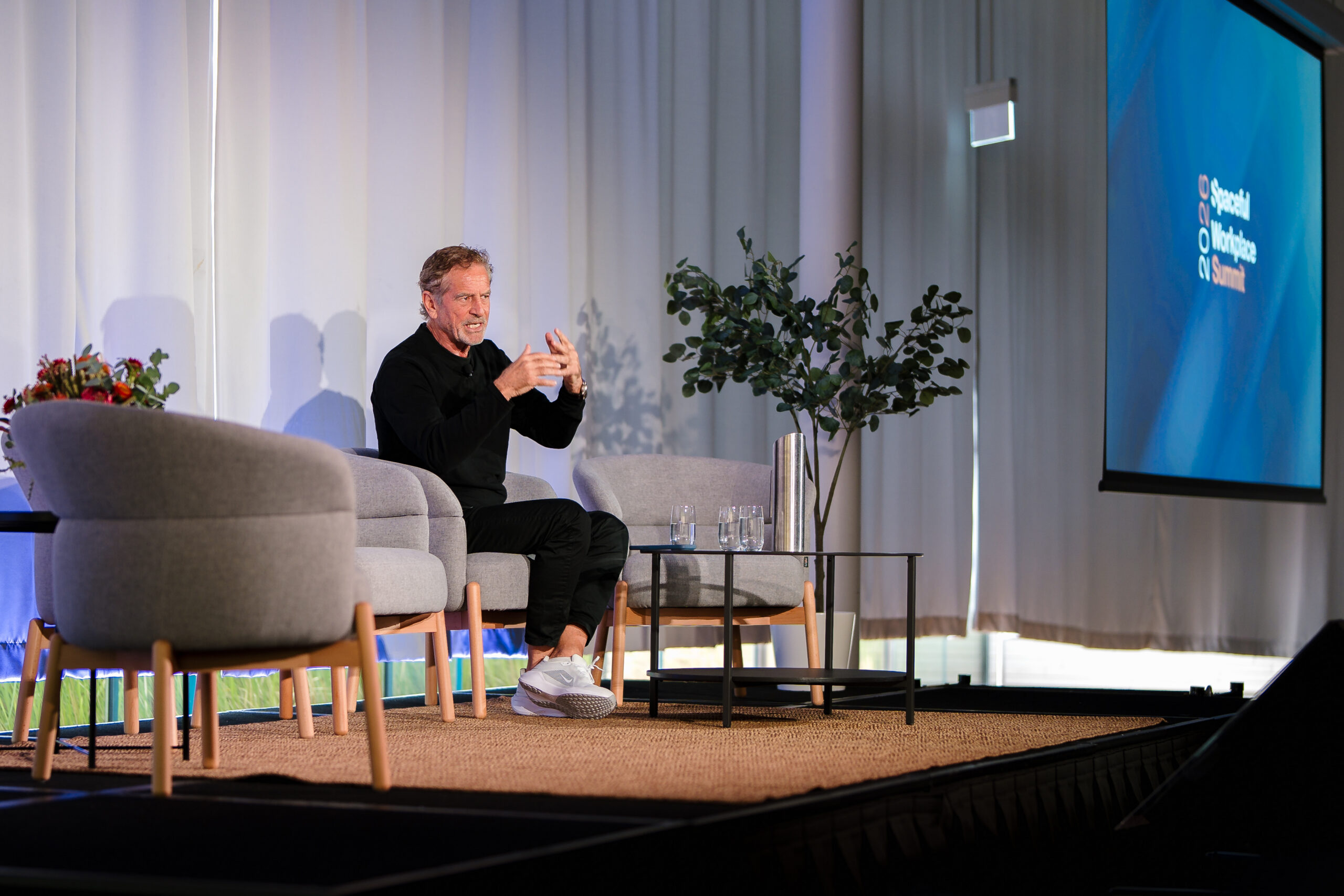
At this year’s Spaceful Workplace Summit, Mark Bouris opened the conversation with a clear message: the operating environment is becoming harder to predict, and business leaders need to make more deliberate decisions in response. 

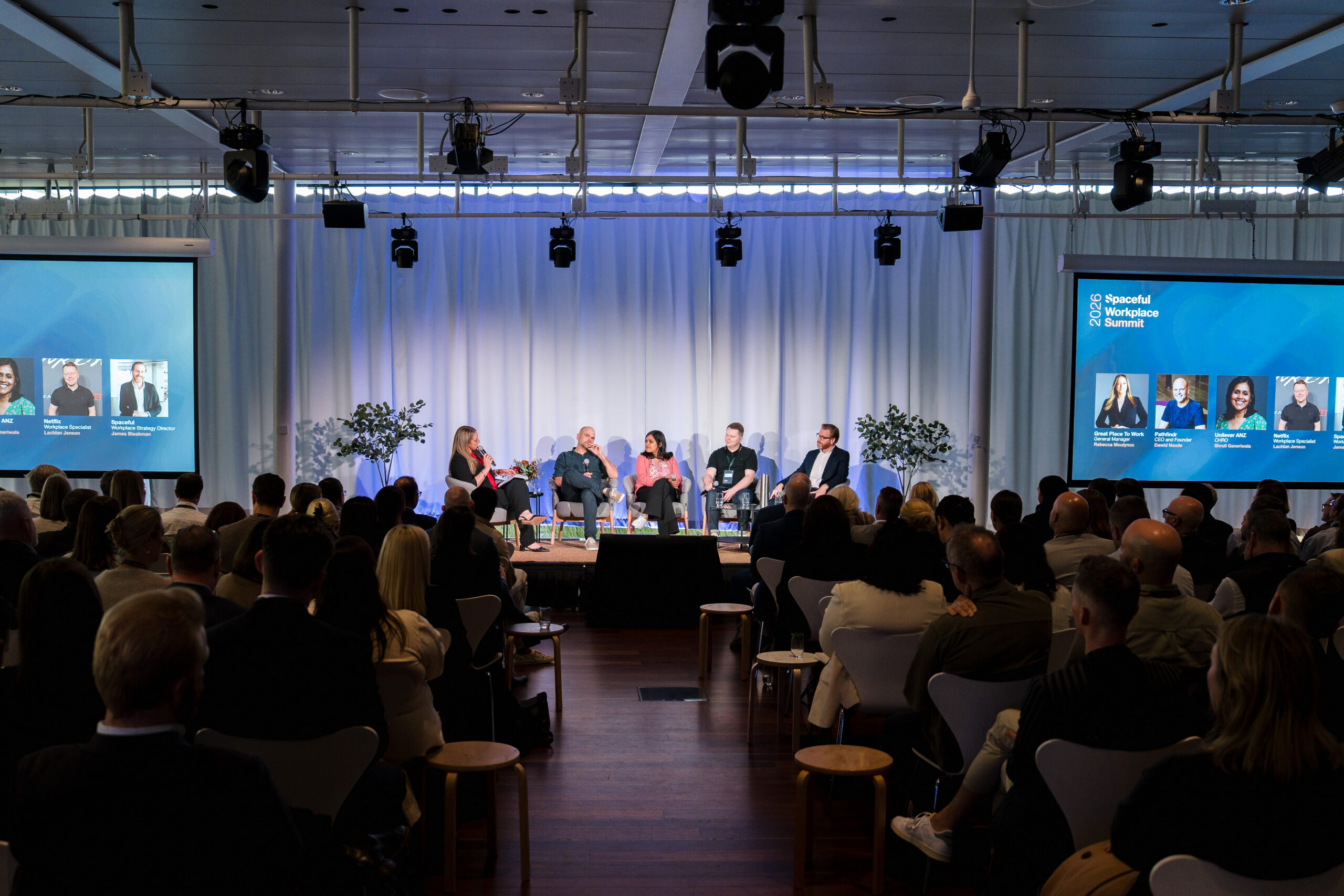
More than 200 senior executives and industry leaders gathered at the Art Gallery of New South Wales on Wednesday 17 June 2026 for the Spaceful Workplace Summit 2026. The key takeaway was that workplace strategy needs to become more intentional, more measurable and more closely aligned to business performance. 

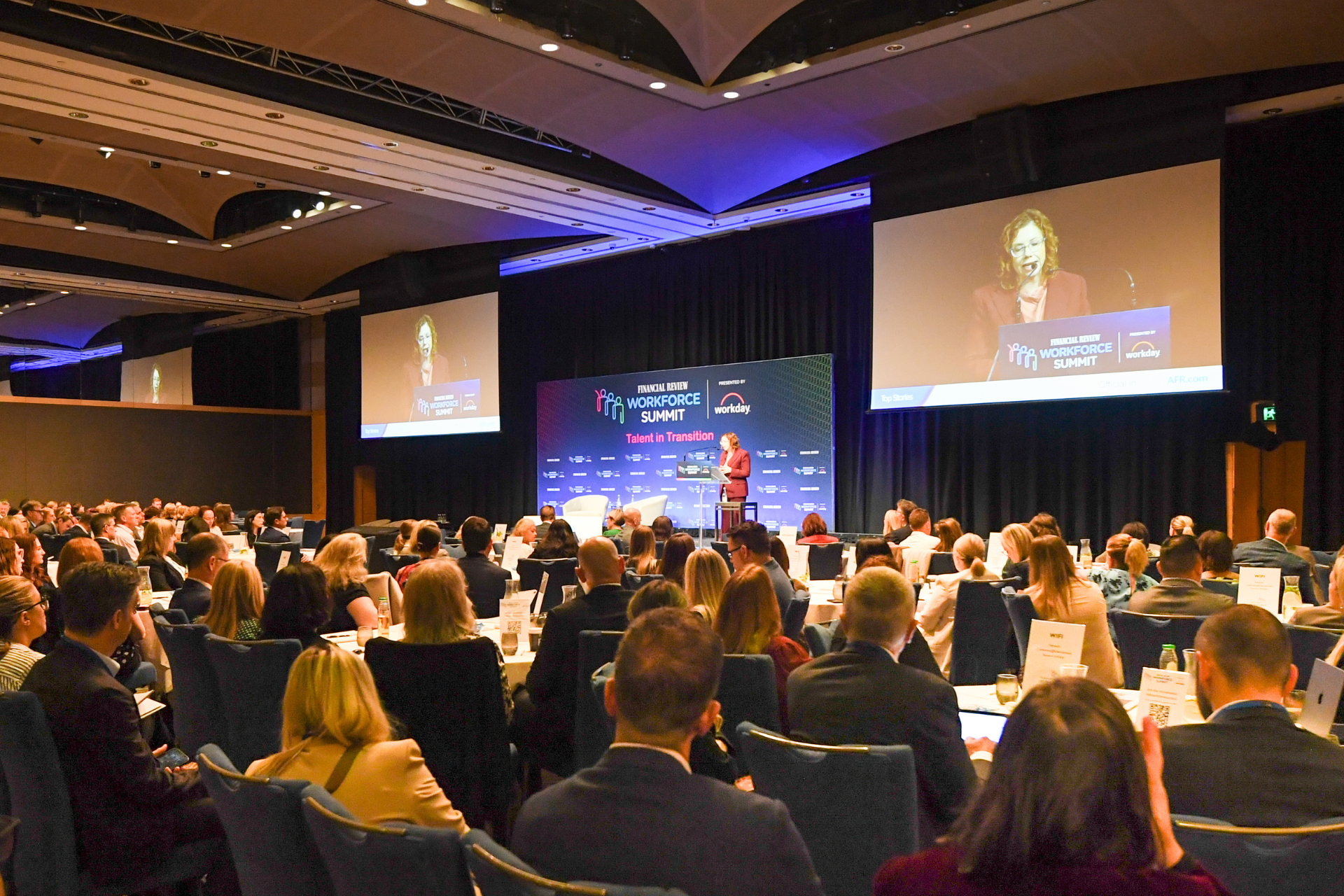
At the AFR Workforce Summit 2026, Spaceful asked attendees, “What is the most disruptive thing about your office?”

While much of the current workforce conversation is focused on AI, hybrid work and productivity, the results show that many organisations are still dealing with basic workplace issues that affect people every day.

Together, underused space, noise and distractions, and not enough meeting rooms made up 66% of responses. This suggests that many workplaces are no longer aligned to how people actually work.

Businesses with leases expiring from 2028 to 2031 may have less time than they think. As demand concentrates in high-quality office buildings and future supply tightens, tenants that wait too long risk fewer options, lower incentives and weaker negotiating power. Starting early gives leaders more control over cost, timing and workplace outcomes.

Wide view of a corporate panel event with seated guests, curved ceiling lighting and presentation screen.

Spaceful and ACCI hosted a panel on Victoria’s proposed WFH mandate, with experts warning that legislating flexibility risks legal confusion, operational strain and cultural division. The discussion highlighted that the future of work is best shaped by employer-led strategy, not mandated attendance rules.

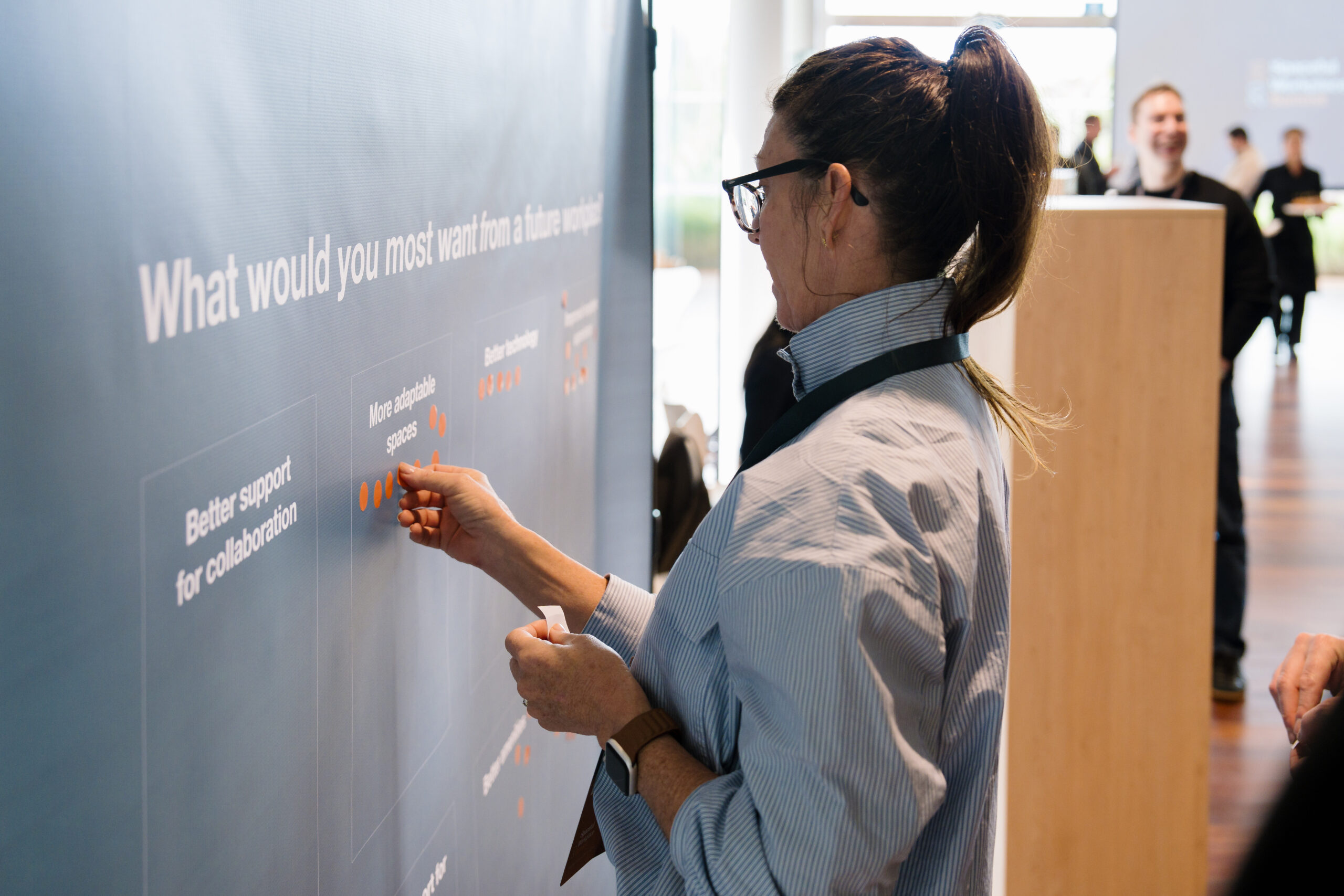
Attendees engaging with a survey display at the Spaceful Workplace Summit event.

The workplace is warming up. That’s what the Spaceful State-of-the-Workplace Thermometer revealed at the 2025 Workplace Summit in Sydney earlier this month where over 200 industry professionals came together to discuss the future of work. And no, this isn’t climate-related, it’s experience-related.

Keynote Speaker presenting on stage with handheld microphone, audience raised hands and soft green event lighting.

Progressive workplaces are not built by following trends. They are shaped by curiosity, evidence and a clear understanding of how people work. Drawing on insights from Spaceful’s Workplace Summit 2025, this article explores how leaders can create workplaces that support flexibility, focus, collaboration, technology adoption and long-term adaptability.

Panel speakers seated on stage holding microphones during a professional industry event.

As hybrid work changes how people use the office, businesses need to be clearer about what the workplace is really for. Drawing on insights from Spaceful’s Workplace Summit 2025, this article explores how leaders can create offices that justify the commute, support connection and deliver long-term value.

Contemporary office reception with curved seating, glass details, and soft lighting designed by Spaceful.

For years, companies have tried to bring their brand into the workplace through surface-level elements such as bold logos, colours, and slogans. But increasingly, that approach feels outdated. In this article, Spaceful’s Design Director explores how workplace design is evolving beyond the literal, and why the most effective spaces today reflect brand and culture in more thoughtful, human ways.

Team members socialising outdoors on a rooftop terrace during golden hour, with city views and casual conversation.

Spaceful’s Global Workplace Strategy Director explores why belonging is becoming a key factor in workplace wellbeing and performance, and how thoughtful workplace design can help people thrive, particularly the next generation of talent.

Team meeting around a high table in a bright office, discussing documents in a collaborative workspace.

Many organisations focus on optimising space in the workplace, overlooking the human element. Spaceful’s Global Workplace Strategy Director explains why understanding behaviour, collaboration, and team dynamics is vital to workplace strategy and overall performance.

Open office interior with people moving through the space, featuring glass walls and warm lighting.

Spaceful’s Design Director, Michael Spinoglio explores designing workplaces that embrace movement and fluid collaboration. By prioritising dynamic spaces over static layouts, offices can become responsive environments where people, ideas, and energy flow naturally, enhancing creativity and connection.

Team seated at a meeting table while a presenter explains a workplace floor plan on a digital screen.

In today’s job market, where candidates are considering more than just pay, the physical workplace plays a crucial role in attracting and keeping top talent. Eliza Kirkby, Managing Director at Hays Recruitment, shares her insights on what modern workspaces need to stand out.

Team collaborating in a relaxed lounge area with sofas, greenery, laptops, and shared documents.

Spaceful’s Design Director explains how to rethink and repurpose the often-overlooked corners of the office—spaces that start with good intentions but end up underutilised.  Discover why some flexible spaces fail to live up to their purpose and how thoughtful design, leadership, and ongoing engagement can transform them into meaningful, high-performing areas.

Hand drawn concept sketch of a modern workplace featuring lounge seating, greenery, and soft lighting.

Spaceful’s Design Director, Michael Spinoglio shares a personal reflection on the evolution of collaboration in design, from scribbled notepads to the digital tools we rely on today. Discover how Miro, an online collaboration platform, is transforming the way we solve problems and work together with clients, no matter where we are or what time zone we’re in.

Large open office with timber floors, glass meeting rooms, and people moving through the space.

Five years after the rush toward total flexibility, organisations are discovering that hands off workplace policies can create new challenges. Workplace strategy shows that the most effective hybrid environments rely on thoughtful structure. Read more to explore why balance now matters.

Contemporary interior staircase with flowing white forms, integrated lighting, and multiple levels visible above.

Australian offices are being reshaped by employee expectations, workplace experience and smarter use of data. This article explores five office design trends influencing Australian workplaces in 2025, from sensory-conscious environments to amenity, AI analytics and the need to make the office worth the commute.

Construction Team wearing helmets and vests standing before a digital screen during a site briefing.

Spaceful is relocating to our new Sydney office in the historical CBD this spring, and as part of our “Spaceful is moving” series, we are showcasing our commitment to a superior delivery process. We approached the construction phase of our own project with the same rigorous standards we apply to every client project.

Close up of hands pointing at plans and a tablet on a desk during a workplace design discussion.

The workplace has evolved rapidly, but many organisations are still playing catch-up. Whether it’s adapting to hybrid work models or keeping up with shifting employee expectations, a modern workplace strategy isn’t a ‘set and forget’ task. Here are five clear signs it’s time to take a fresh look at your strategy to ensure your business is prepared for the future of work.

Three professionals collaborating around a whiteboard table, writing ideas and discussing concepts together.

Spaceful’s Unlimited event brought together workplace experts to explore future workplace innovation, from the role of technology and AI to building a culture of innovation. The discussion highlighted practical strategies organisations can use to enhance efficiency, engagement, and forward thinking.

Spaceful’s Unlimited event explored how the concept of work is rapidly changing. Futurist Michael McQueen noted that recent years have brought decades’ worth of transformation. The article examines these shifts and what they mean for future workplaces.

Professional team gathered around a table reviewing architectural plans in a collaborative office meeting environment.

In the realm of workplace fit-outs, there are two contrasting methodologies: the traditional segmented method and the integrated project delivery approach, the latter of which we practice at Spaceful. Discover what it means to partner with a company that embraces an integrated approach to workplace fit-outs and the benefits it can bring to everyone involved.

Enclosed office focus booth with acoustic fabric panels, desk workspace, and monitor designed for quiet individual work.

For quite some time now, the prevailing trend in workspace design has favoured open plan layouts and hot desking over traditional configurations characterised by individual offices, closed-off cubicles, and designated workstations. While both trends have many advantages, it is crucial to recognise that they remain just that—trends—which may not suit every organisation’s (or employee’s) needs or preferences.

Close up of dark stone benchtop with white veining, polished surface, and refined material detailing.

From 1 July 2024, Australia’s engineered stone ban prompts a shift to safer alternatives. Zero-silica options like solid surfaces, sintered stone, timber, stainless steel and laminate offer durable, hygienic, versatile solutions, with several low-silica materials still permitted.

Modern office breakout area featuring a pool table, high seating, indoor plants, and city views for staff relaxation.

Spaceful’s Executive Insights Report shows talent attraction and retention as the top 2024 challenge, with Gen Z’s expectations shaping workplace strategy. Their priorities include advanced technology, sustainability and wellbeing, inclusive design, flexible hybrid models, and multifunctional spaces that balance collaboration with privacy.

Open plan office featuring glass partitions, timber ceilings, indoor plants, and polished concrete floors with natural light.

Biophilic design can support workplace productivity by reducing stress, improving focus and creating a more comfortable environment for employees. This article explores how natural light, greenery, materials, textures and sensory cues can help businesses create healthier, more engaging offices.

Modern office workstations with screens, stools, soft curtains, and indoor plants creating a flexible collaborative space.

People are diverse – they’re nuanced, unique. Similarly, the way they work is diverse, nuanced and unique, all requiring different needs. So how can you cater to everyone’s needs and preferences? You give them choice.

Enclosed meeting booths with soft seating, timber arches, and city views through large windows.

Creating a healthy workspace goes beyond providing employees with a safe, hazard-free space to work. The best workspaces are mindfully designed, both tangibly and operationally, to not only support employees’ physical and mental health, but to boost it.

Close up of industrial machinery components with textured metal surfaces and circular forms in a dark setting.

In the rapidly evolving world of defence technology, innovation is not limited to just equipment. The industry is undergoing a paradigm shift in the way defence products are showcased and marketed. The emergence of augmented reality (AR) showrooms has opened up new possibilities to engage their customers and enhance their product experience. Discover how this technology is transforming the defence industry and its implications for the future of workplace design. 

Rooftop garden with landscaped greenery, walkways, and surrounding solar panels on a commercial building.

As our cities continue to expand to accommodate our growing population, green spaces are gaining recognition as a crucial aspect of sustainable workplace design. From increased pollution, higher energy consumption, health concerns and diminished biodiversity, there is an increasing need for innovative solutions that can offset the detrimental effects of rapid urbanisation. 

Individual workstation surrounded by timber joinery and integrated planters within a bright office setting.

Sustainable office design delivers long-term business value through lower operating costs, healthier and more productive employees, stronger talent attraction, and improved ESG credibility. By integrating green principles from project inception, companies achieve measurable performance, financial and reputational benefits.

Open lounge workspace with sofas, armchairs, indoor plants, and a feature mural creating a relaxed collaborative environment.

In the realm of brand storytelling, your workspace has a profound impact on the perception of your business. Effective brand storytellers recognise the office as more than just a physical space, but as a strategic tool to visually and experientially communicate your brand story.

Office corridor with glass partitions and blurred people walking, showing movement and an active workplace atmosphere.

Social spaces in the workplace foster creativity, collaboration, and wellbeing. By blending relaxed, multi-functional areas with traditional work zones, organisations can boost engagement, communication, and productivity while strengthening employee satisfaction and a sense of belonging.

Person standing by large windows overlooking urban buildings, with soft daylight and reflective glass surfaces.

In recent years, the office environment has evolved from being mostly in-person, to a hybrid, synchronous blend of working styles and communication. Whilst the ability to work from anywhere has accelerated due to the pandemic, workplace strategies to manage this change haven’t been implemented at the same pace, and it’s impacting employees.

Formal meeting room with long timber table, black chairs, integrated technology, and ceiling lighting in a clean layout.

From improved wellbeing to higher levels of output, the benefits of having a great office environment are numerous. But is it just a ‘nice to have’, or does it really make a difference to the bottom line?

Office coffee station with espresso machine, glassware, and under cabinet lighting designed for staff use.

The office environment has a large impact on the way that people perceive their overall work experience. So it’s important to provide suitable surroundings that help team members to do their best work. Explore 6 key factors that employees want from their office environment.

Person working on a laptop at a table near large windows, with greenery and natural light creating a calm setting.

Hybrid work has become a permanent expectation, offering employees flexibility while helping organisations reduce costs and retain talent. Balancing remote focus time with purposeful in-office connection creates a more productive, supportive, and sustainable work experience.

Digital room booking screen outside a boardroom showing availability status next to a glass meeting room entrance.

Rapid advances in AI, smart devices, and cloud-based tools are reshaping how workplaces operate. Embracing automation, utilisation insights, and flexible SaaS solutions will help organisations boost productivity, work smarter, and future-proof their office environments.

Open plan office with shared desks, exposed ceiling services, glass meeting rooms and polished concrete floors.

A strong office floor plan is designed around how people actually work. This article explores how workplace strategy, occupancy insights and the right mix of spaces can improve performance, support employees and reduce wasted space.

Modern meeting room with timber table, upholstered chairs, wall mounted screen and glass partitions.

Activity-based working is transforming workplaces by offering tailored spaces for focus, collaboration, and connection. Providing environments that match different tasks boosts productivity, supports wellbeing, and gives employees the flexibility they need to perform at their best.

Landscaped outdoor workspace with timber canopy structure, dense planting and surrounding office buildings.

Sustainability has become a core expectation in today’s workforce, influencing talent attraction, workplace performance, and business reputation. Explore why going green is now essential, and how organisations can adopt practical strategies to reduce their environmental impact.