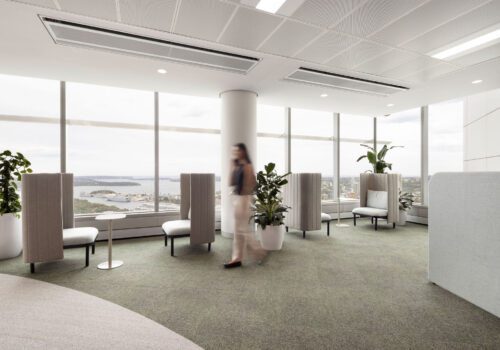
Practical tools, benchmarks and guides to help you make better-informed decisions throughout your office move.
Whether you are starting a property search or already considering a shortlist, use these resources to test assumptions and plan with greater confidence.

Explore calculators, benchmarks and practical guides for each stage of planning your next workplace.




Consider the business outcomes it needs to support, from productivity and collaboration to culture, employee experience, client experience and future growth.
Look beyond current floor area or one desk per person. Consider headcount, growth, attendance patterns, ways of working and the mix of spaces your people need.
Compare more than rent and location. Floorplate efficiency, natural light, amenity, building services, sustainability and planning potential can materially affect the final workplace.
Define what should improve as a result of the move and establish a baseline so you can assess the impact on People, Culture, Place and Technology.
Clarify what the business needs from its next workplace before property options start driving the conversation. This includes headcount, growth, attendance patterns, team behaviours, client requirements, technology, culture and the types of spaces people need to do their best work.
A clear brief creates a consistent basis for evaluating properties and helps avoid overcommitting to space or building features that do not support the business long term.

Assess shortlisted properties against the same set of business and workplace criteria, not just rent, incentive and location. We consider factors such as floorplate efficiency, natural light, amenity, sustainability, access, building services and planning potential to show how each option performs.
This creates a clearer view of the strengths, compromises and hidden implications of each property, helping decision-makers compare like for like before narrowing the shortlist.

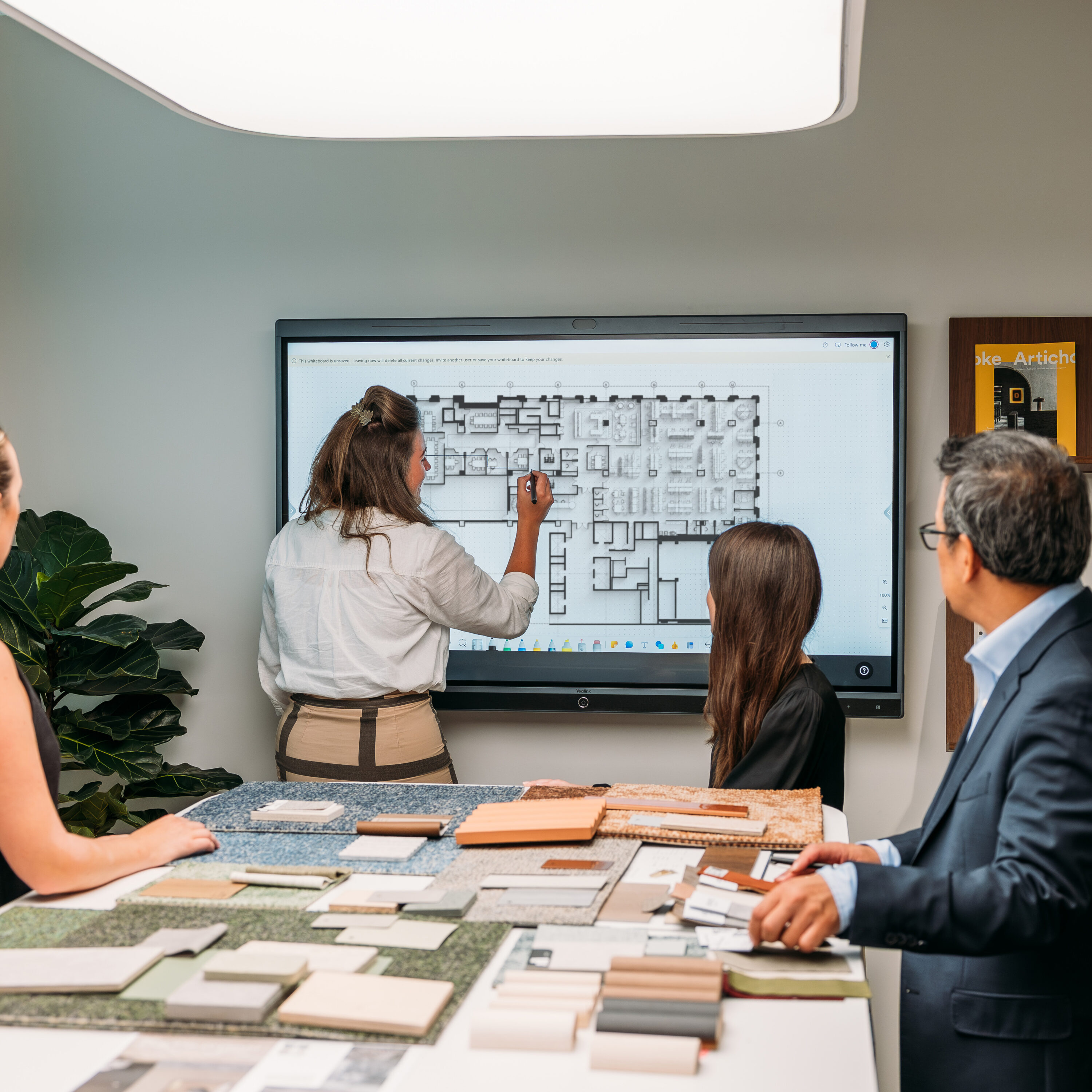
Use test fits and early design thinking to understand how well each tenancy can support the brief in practice. Test capacity, space mix, team adjacencies, meeting and collaboration settings, client areas and future flexibility before a lease is signed.
This helps reveal where a property works well, where compromises may be required and whether the floorplate can support the experience, functionality and growth the business needs over the life of the lease.
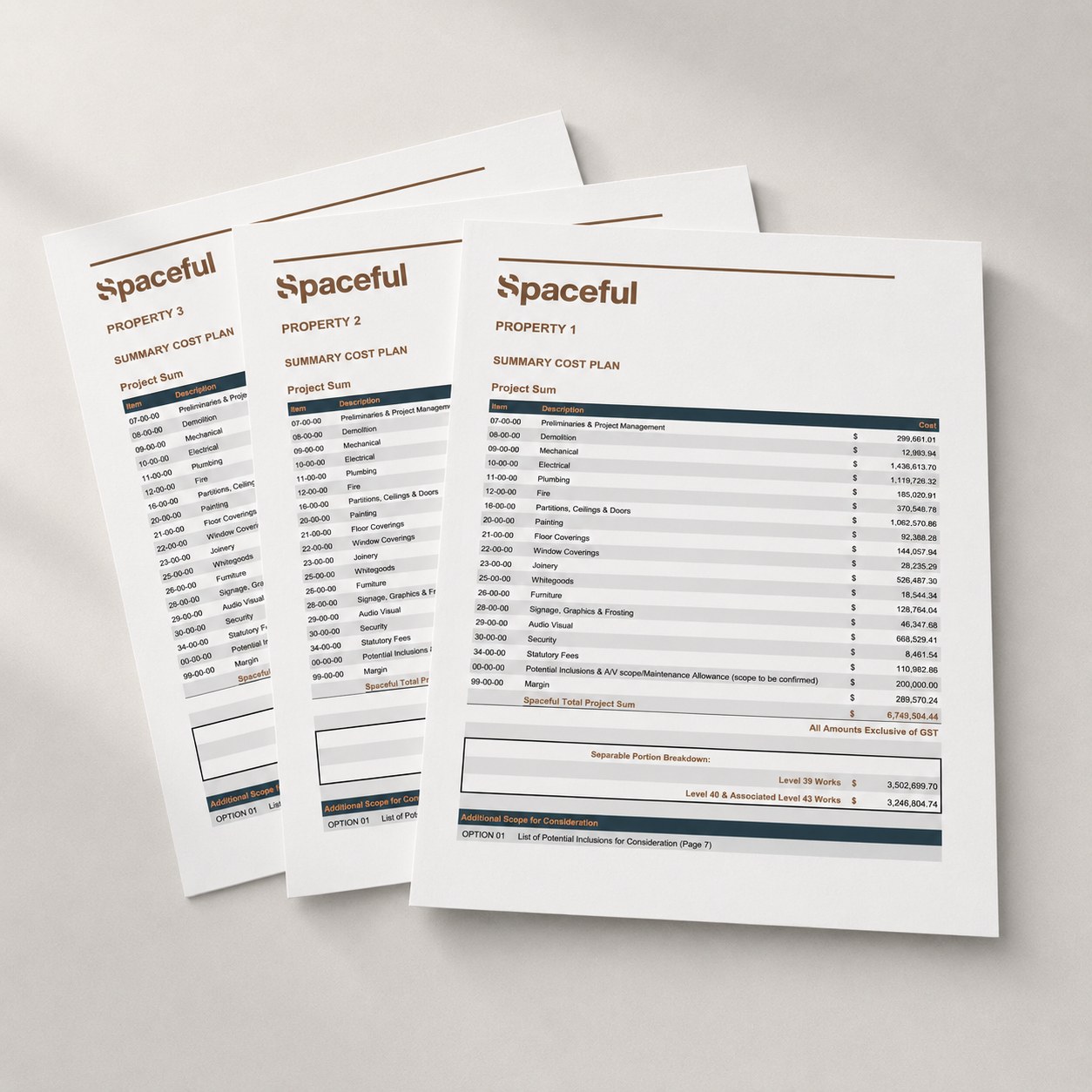
Understand the likely project investment before making a property commitment. Spaceful brings cost planning into the selection process early, considering likely fit-out costs, landlord contributions, incentives, programme requirements and property-specific factors that could affect the budget.
This gives leaders a more realistic view of the total cost of each option, rather than relying on headline rent alone, and helps identify where one tenancy may create greater value or additional cost further into the project.
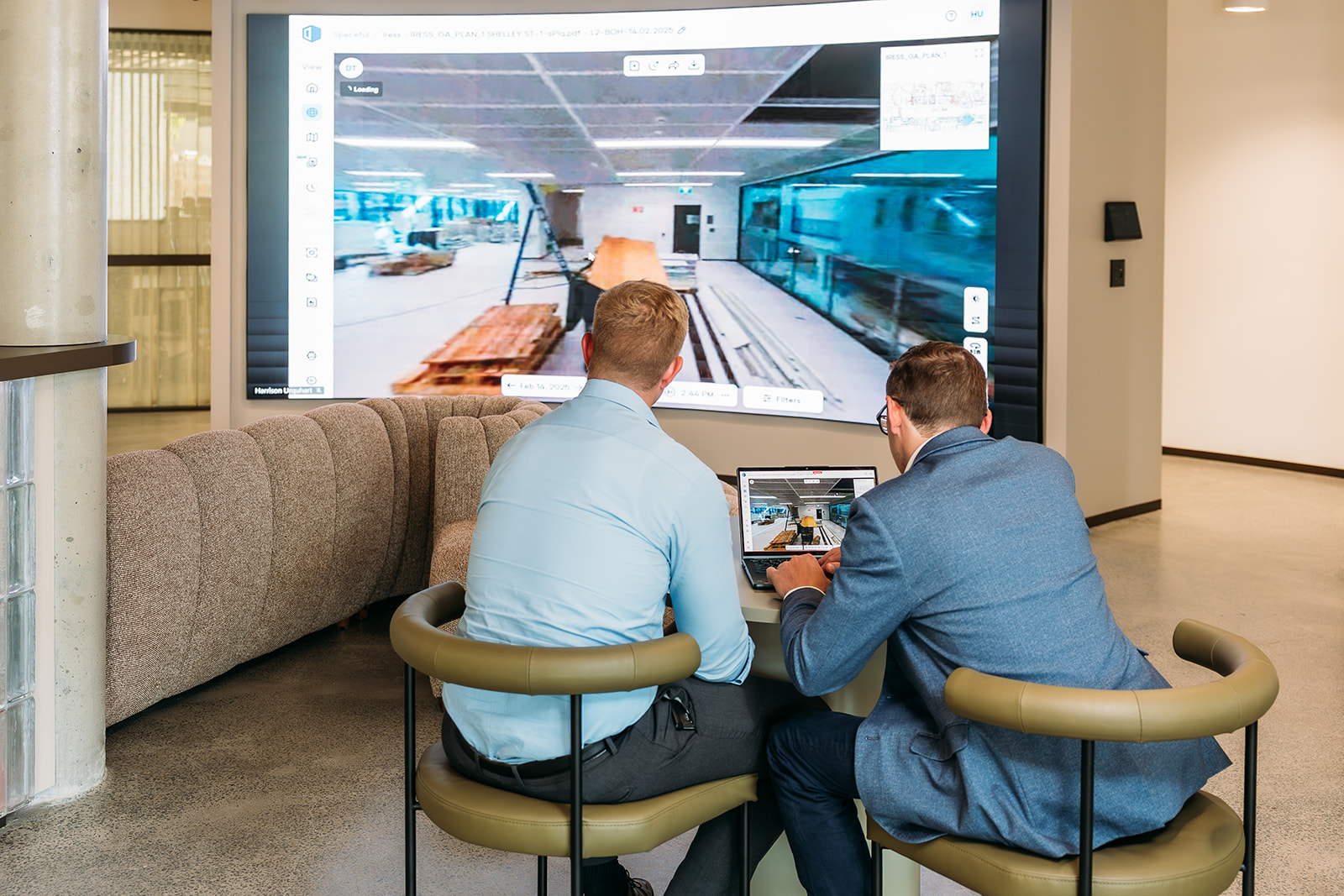
Identify technical and delivery issues while there is still time to resolve them with the landlord or factor them into the decision. Our technical team reviews building services, compliance, approvals, security, technology, base build interfaces and other requirements that can affect programme, cost or design.
Early due diligence helps uncover constraints before lease commitment, reducing the risk of late surprises, unplanned expenditure or discovering that a preferred property cannot support the workplace brief as intended.

Clarrie helps clients understand the true implications of a property before lease commitment. Leading Spaceful’s technical and pre-construction work, he combines building due diligence, cost planning and technical expertise across services, technology, IT and security to identify risks, test feasibility and give leaders greater confidence in their property decision.
Clarrie helps clients understand the true implications of a property before lease commitment. Leading Spaceful’s technical and pre-construction work, he combines building due diligence, cost planning and technical expertise across services, technology, IT and security to identify risks, test feasibility and give leaders greater confidence in their property decision.
From workplace strategy through to delivery, our work speaks for itself. Discover how our integrated team creates high-performing spaces built for people and business growth.