The workplace brief is translated into an initial spatial and creative direction.
Planning, zoning, workplace settings and circulation establish how people will use and move through the space, while the concept defines the overall experience, identity, material direction and look and feel.
Early cost, services and technical input help test the concept against the tenancy, project budget and delivery requirements before the design progresses.
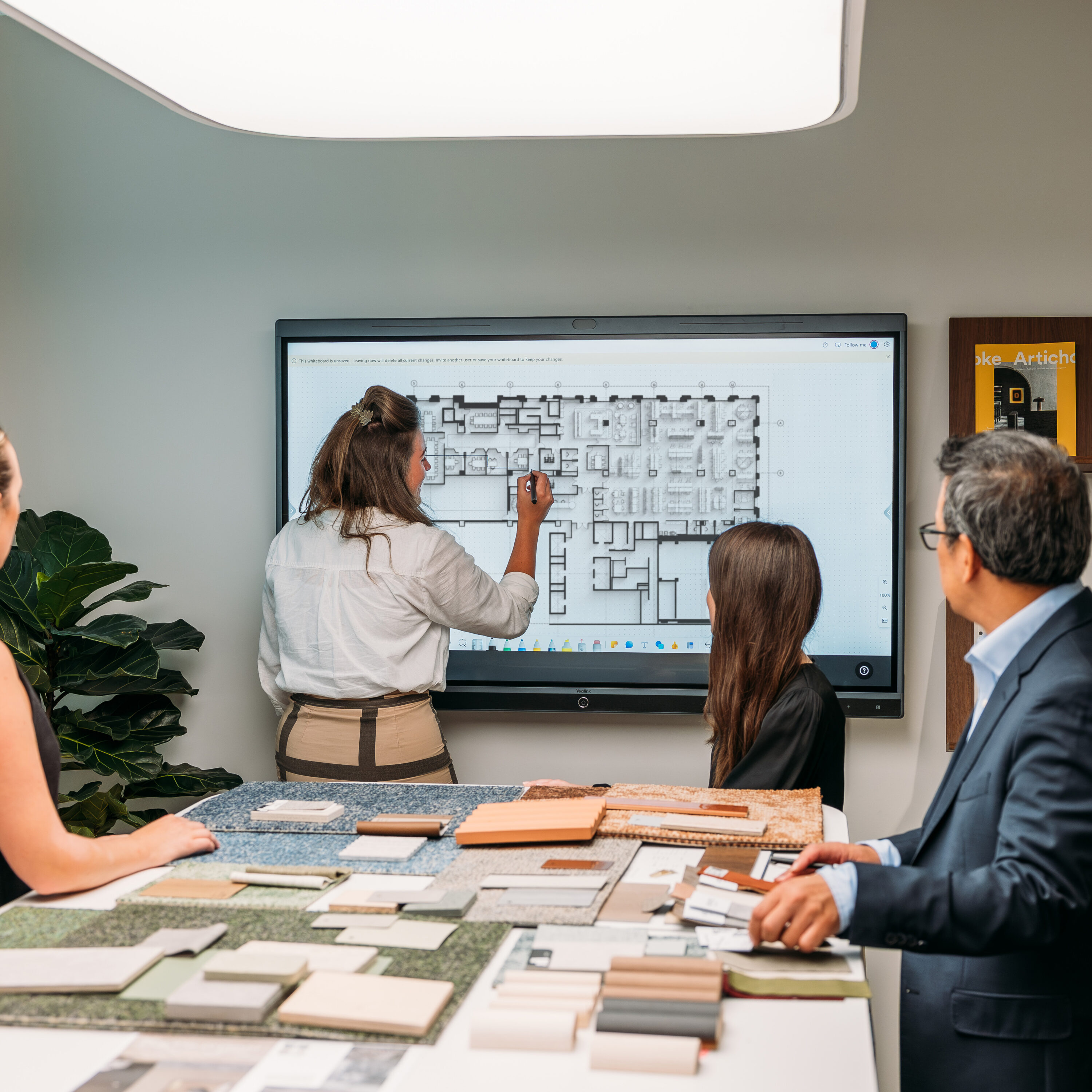
Once the concept is agreed, the design is developed in greater detail.
Floor plans, ceilings, joinery, furniture, finishes, lighting, acoustics, technology, security and building services are progressively resolved and coordinated with landlord requirements and specialist consultants.
Cost and programme are reviewed alongside design decisions, allowing the team to understand their implications, manage risk and make informed value decisions before documentation is finalised.
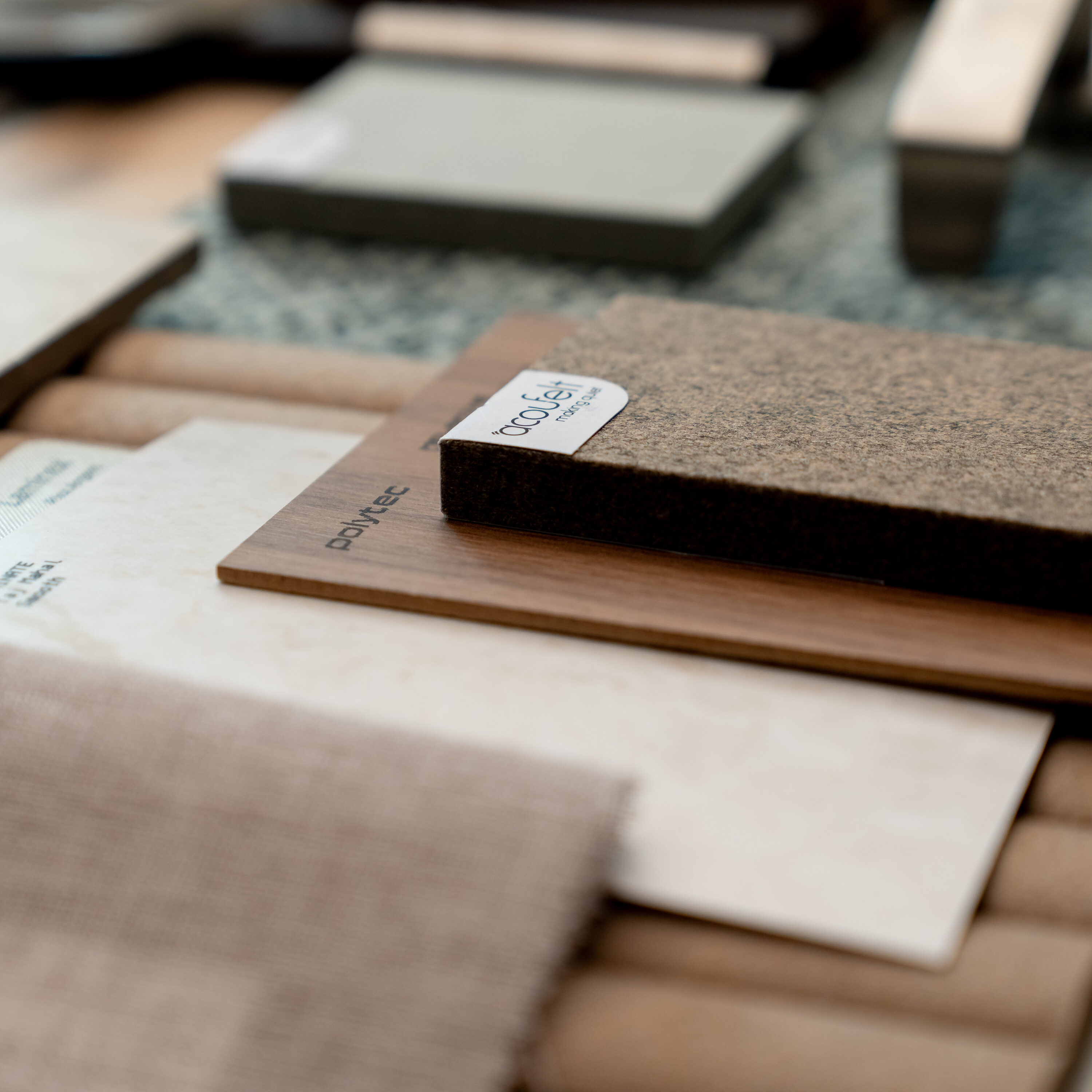
The developed design is translated into coordinated drawings, specifications, schedules and scopes ready for construction.
Architectural, engineering and specialist documentation is finalised alongside approvals, procurement requirements, cost planning, programme review and risk management.
By this stage, the design, scope, cost, programme and key delivery assumptions have been progressively resolved, giving the client a clear understanding of what will be delivered and a defined decision point before committing to construction.
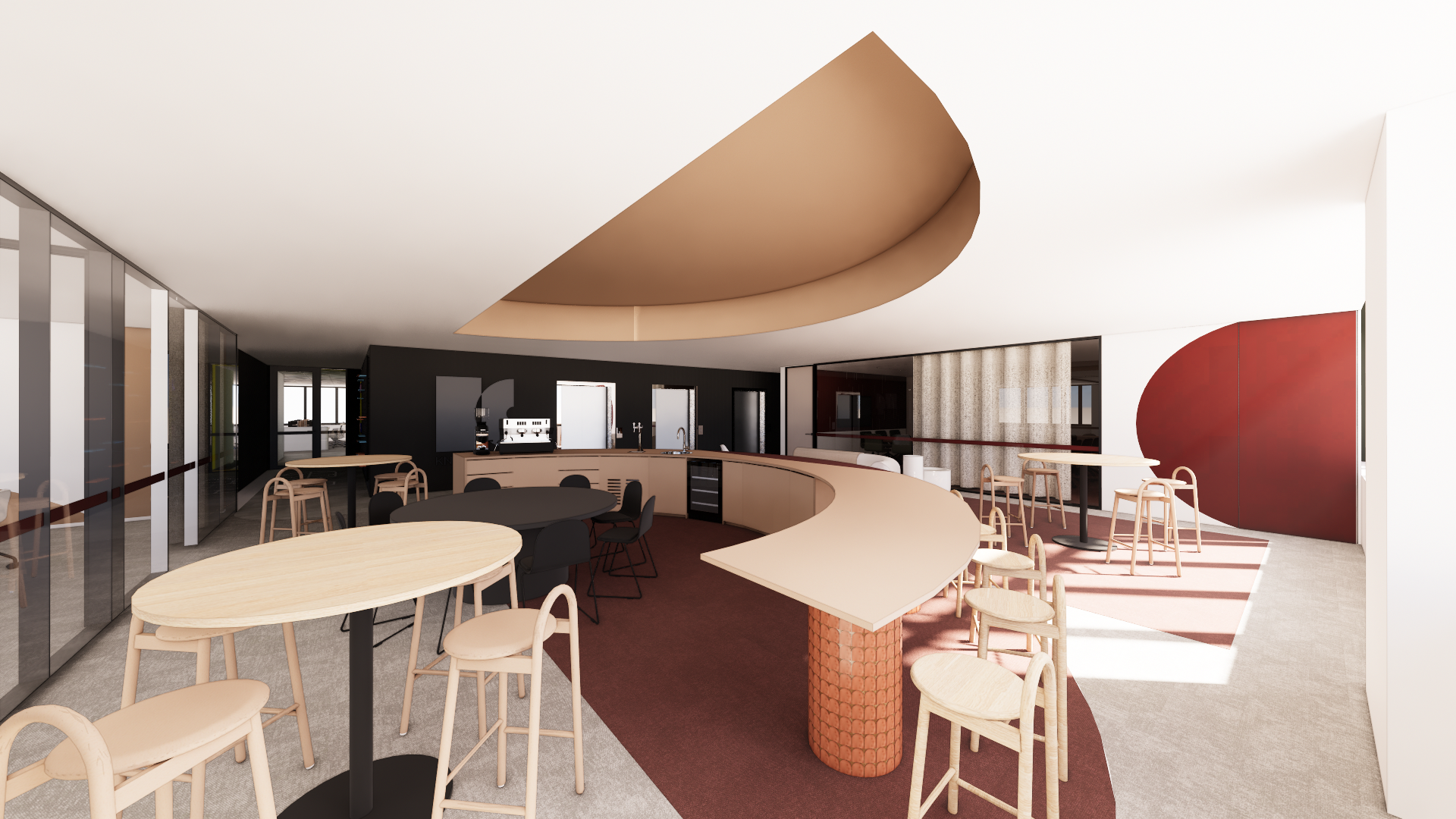
Design decisions can have significant implications for cost, programme and buildability.
Bringing technical project management, cost planning and construction expertise into the design process allows options to be tested as the project develops. This helps identify constraints earlier, understand the cost impact of decisions and resolve more of the detail before construction begins.

We use light studies, spatial planning and look-and-feel development to create a design concept tailored to your people, culture and space. The result is a bespoke environment that expresses your identity and supports how your teams work best.
Traditional models separate design and construction, creating gaps in communication, accountability and cost control. With all disciplines under one roof, Spaceful removes that friction. You get a smoother process, clearer decision-making, reduced risk and better outcomes delivered efficiently.
A well-designed workplace directly supports productivity, wellbeing and culture. When your space works, your people do too; global research shows the physical environment can influence productivity by up to 20%.
Most projects follow a six-month end-to-end timeline: around three months for design and documentation, and another three months for delivery, depending on scope and complexity. For businesses operating on tighter timeframes, we can accelerate the program without compromising quality.

Michael brings 15 years of strategic and creative expertise to every single project. He spearheads design and project ideation at Spaceful, helping organisations unlock their team's potential through inspiring workspaces.
Michael brings 15 years of strategic and creative expertise to every single project. He spearheads design and project ideation at Spaceful, helping organisations unlock their team's potential through inspiring workspaces.
From strategy to delivery, our work speaks for itself. Discover how our integrated team creates high-performing spaces built for people and business growth.


