
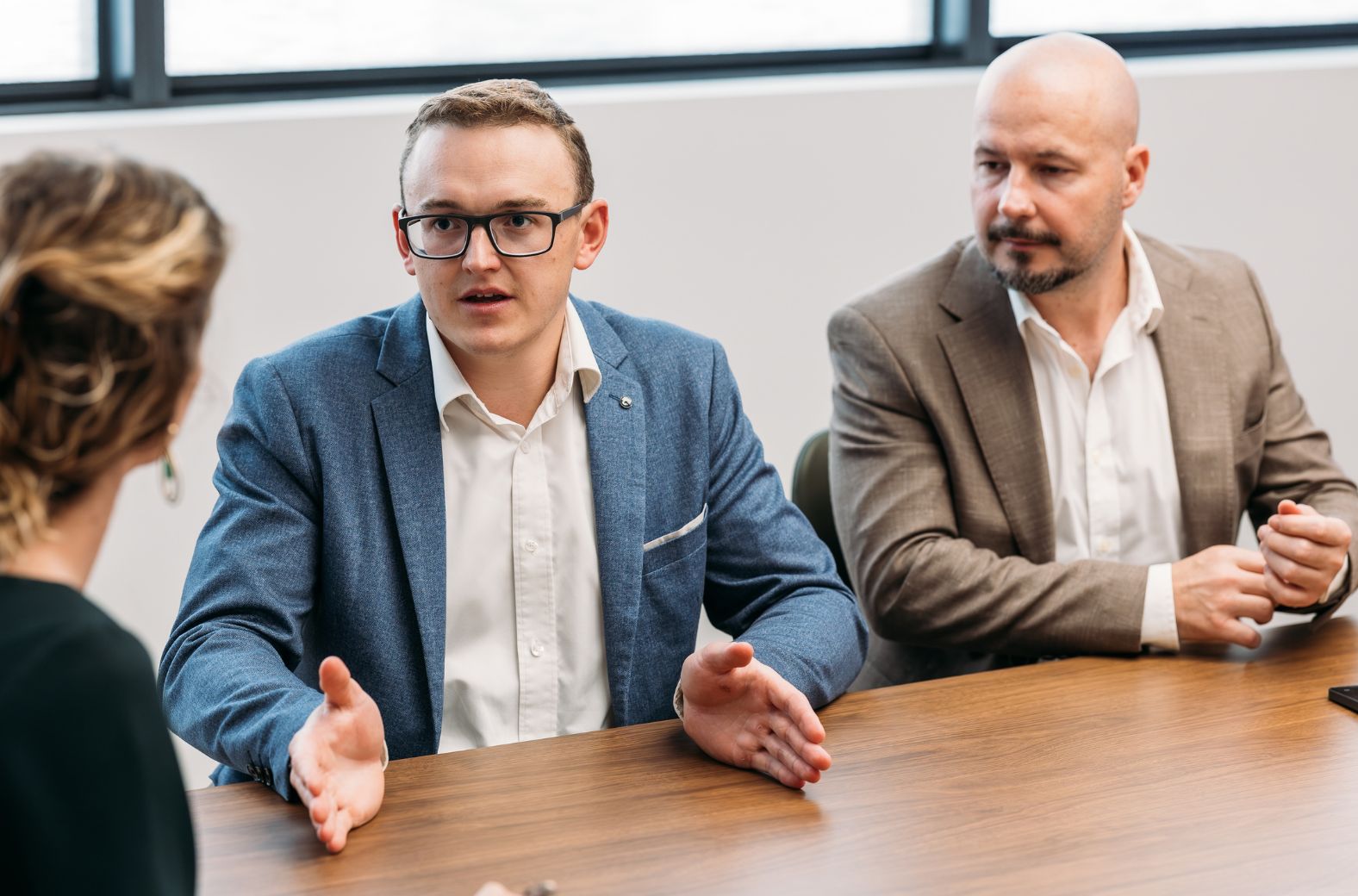
Technical project management combines the oversight expected from a client-side project manager with the technical and delivery expertise needed to proactively coordinate the detail behind a workplace project and keep it aligned with the agreed brief, budget and programme.
For an office relocation, that means managing the programme, budget, scope, risk and stakeholders while also interrogating the property, design, building services, documentation, buildability and construction risks and trade-offs behind those decisions.
Because an office move involves many interdependent decisions, changes in one area can quickly affect cost, programme or scope. Strong project management keeps those areas coordinated, while technical expertise helps test assumptions, resolve gaps and address issues before they become delivery problems.
What does a technical project manager do?
A traditional client-side project manager is engaged to represent the interests of the business, coordinate the wider team and maintain oversight of cost, programme, scope and risk. Technical project management retains those responsibilities while adding deeper workplace, design and construction expertise.
This allows the project team to assess not only whether work is progressing, but whether the underlying solution is properly resolved, commercially realistic and aligned with the wider project.
Technical project management can include:
- Project governance and reporting
- Eary contractor involvement
- Trade/supplier input
- Programme management
- Cost planning and control
- Scope and change management
- Technical briefing
- Site selection and due diligence
- Consultant coordination
- Building services review
- Design and documentation oversight
- Buildability reviews
- Procurement
- Risk management
- Approvals and decision tracking
- Construction oversight
- Handover and relocation planning
For business leaders, the value is not in becoming more involved in construction detail. It is having experienced people who can interrogate that detail, understand the implications and translate it into clear commercial decisions.
“Good project management is about more than tracking a programme. It requires enough technical understanding to know what needs to be challenged, resolved and decided before it becomes a delivery issue.”
How is technical project management different from traditional project management?
Technical project management goes beyond coordinating consultants, programme and budget. It also tests whether assumptions are realistic, documentation is sufficiently resolved, the design is buildable and decisions in one area could create cost, programme or technical impacts elsewhere.
The approach is more proactive, bringing strategy, design, technical and delivery expertise together earlier to identify and resolve issues while there is still flexibility to respond, rather than waiting for problems to surface later in the project.
For businesses without this level of expertise in-house, Spaceful provides an additional layer of verification across cost planning, building due diligence, buildability, programme and technical assessment. Keeping these disciplines connected also reduces the gaps that can occur between separate appointments and creates clearer accountability across the project.
Where does technical project management sit in the Spaceful model?
Technical project management runs throughout Spaceful’s Discover, Design and Deliver phases, connecting workplace strategy, design, cost, programme and construction throughout the relocation.
It brings cost, procurement, programme and buildability into decisions earlier, connecting what is being planned with how it will ultimately be delivered.
- During Discover, technical input supports property assessment, building due diligence, initial cost planning, programme assumptions and the technical brief.
- During Design, technical project management helps keep design intent aligned with cost, building services, procurement, approvals and buildability.
- During Deliver, project management and technical expertise continue through procurement, construction, stakeholder coordination, quality management and handover.
Keeping these disciplines connected reduces the gaps and information loss that can occur when a project moves between separate teams and appointments.
How does technical project management improve project control?
Good project control requires clear visibility of what has been agreed, what has changed, what risks remain and what actions are required next.
Spaceful’s approach includes governance meetings, live programme and budget reporting, decision and approval tracking, risk management, consultant coordination and procurement oversight.
Technical expertise strengthens that governance because the information being reported can also be tested. Instead of simply passing cost, programme or design information between stakeholders, the project team can question the assumptions behind it and identify where further work is required.
This provides a stronger basis for major property and project decisions while reducing the pressure on internal teams managing an office relocation alongside their normal roles.
Who is accountable for the finished project?
In a traditional project structure, responsibility can sit across a project manager, designer, specialist consultants and builder. Each party has a defined role, but accountability for the overall project outcome may still be distributed across multiple appointments.
Spaceful brings project management, design, technical expertise and construction together within one model. The two-stage approach first establishes and tests the strategy, design, scope, programme, cost, buildability and commercial assumptions before a separate construction commitment is made.
If Spaceful is then appointed to deliver the project, we move from advising on the solution to taking responsibility for delivering it as the licensed builder. This creates a clearer line between the advice given, the decisions made and the workplace ultimately delivered.