Businesses are paying more attention to how their workplaces support different people and different ways of working. A recent event with Aspect (Autism Spectrum Australia) brought that conversation to life at 321 Kent Street.
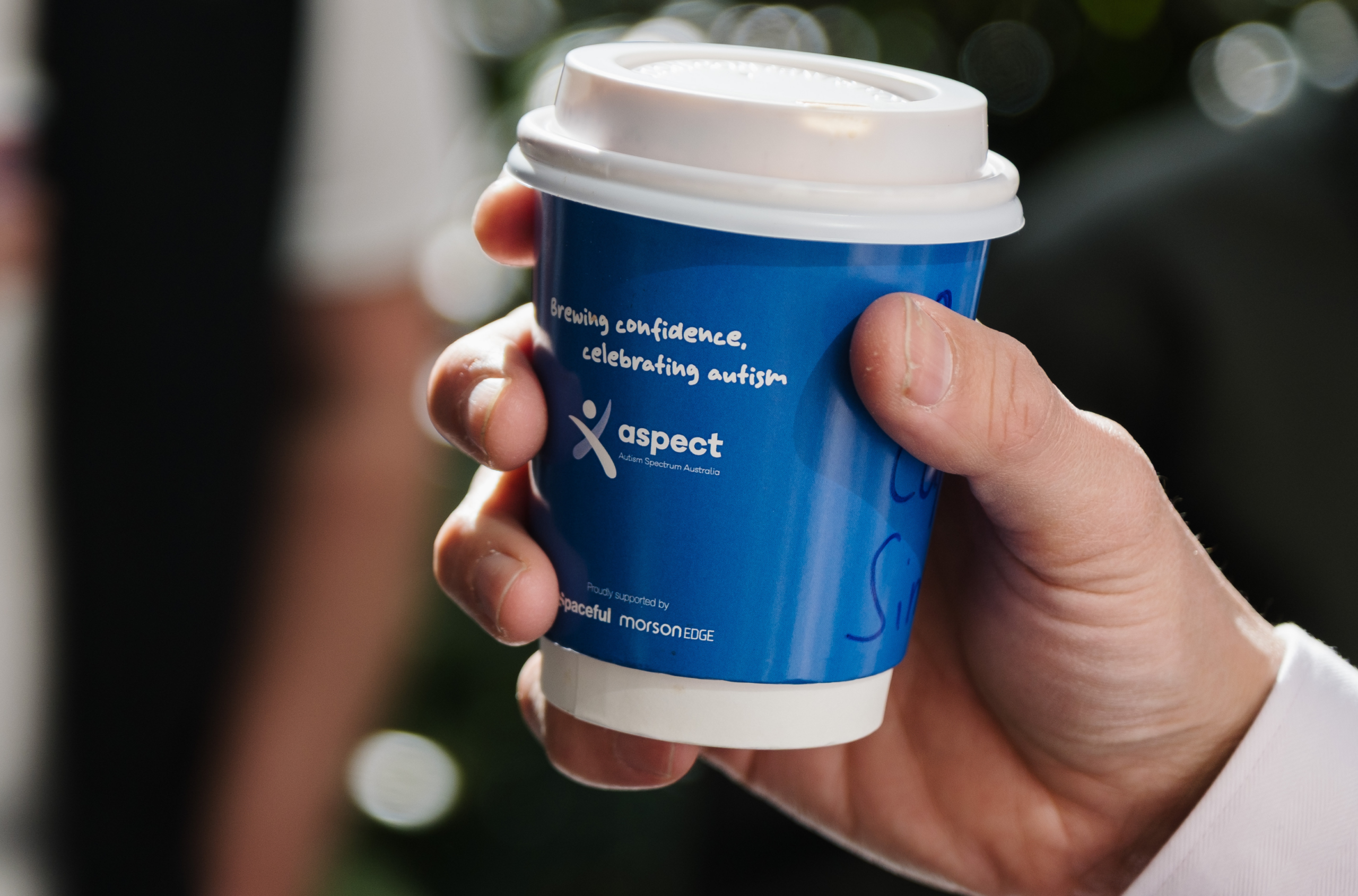
Together with Morson Edge, Spaceful supported Aspect’s student-run coffee van, covering the cost of coffees for tenants and visitors while giving Autistic students the opportunity to gain hands-on experience in a real working environment.
Across the day, the students made and served 120 coffees, interacted with customers and put practical skills into action in a real working environment. Spaceful’s Construction Director Milos Milovanovic said this was one of the most important parts of the initiative.
“Hands-on work experience helps develop practical skills, build confidence, expand professional networks and better understand workplace expectations.”
Experiences like these can help create a clearer pathway from education into employment. But that pathway does not end when someone gets a job. Businesses also need to consider whether the workplace itself enables different people to do their best work.
Why does neurodiversity matter in the workplace?
Neurodiversity describes the natural variation in how people think, learn, process information and experience the world. It can include Autism, ADHD, dyslexia and other forms of neurotypical difference.
According to the most recent data from the Australian Bureau of Statistics there were 290,900 Autistic Australians in 2022, representing 1.1% of the population. Among Autistic people aged 15 to 64 living in households, only 42.2% were employed. The unemployment rate was 18.2%, almost six times the 3.1% rate for people without disability.
Awareness is growing, but many organisations are still at an early stage. Research by Diversity Council Australia found that only 33% of organisations consider neurodiversity a priority, suggesting there is still significant room for businesses to improve how they support neurodivergent employees.
What does a neuroinclusive workplace look like?
There is no single design for a neuroinclusive workplace. People experience noise, light, movement, social interaction and other sensory inputs differently, so understanding the people who will use the space is critical.
Workplace design can respond by providing different environments for different needs, including quieter spaces for focused work, areas for collaboration, acoustic control, flexible seating and greater consideration of lighting, background noise, visual clutter and other sensory factors. Aspect also recommends tailoring environmental adjustments to the individual rather than assuming the same solution will work for every Autistic person.
“People experience workplaces differently, so choice is really important. Providing different settings for focus, collaboration and quiet work, and thinking carefully about acoustics, lighting and sensory distractions, can remove some of the barriers people face at work.”
These are relatively straightforward design decisions, but they are most effective when considered early.
An office move gives businesses an opportunity to understand how their people actually work before deciding what the new workplace should look like. That means looking at the tasks people perform, where they need to concentrate or collaborate, what helps them perform at their best and where the physical environment may be creating unnecessary barriers.
The result is not about designing a separate workplace for neurodivergent employees. It is about creating greater choice and considering a broader range of needs when designing the workplace as a whole.
The Aspect coffee van demonstrated what can happen when young people are given an opportunity to experience the working world and build confidence within it.
For businesses, there is another part to that responsibility: creating workplaces where a wider range of people have the opportunity to do their best work.