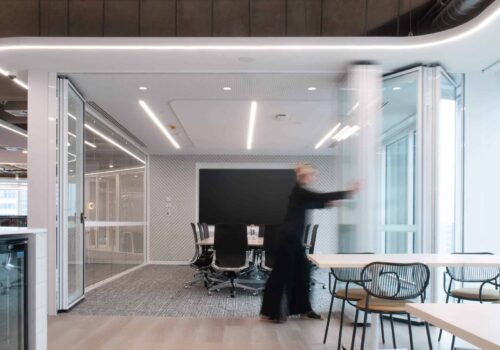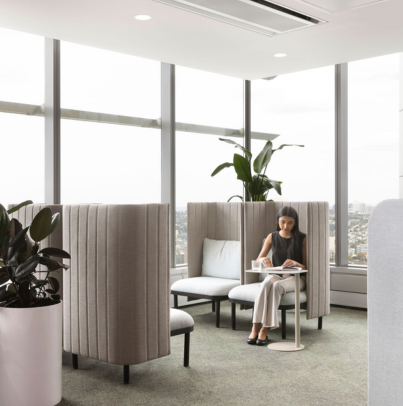
Hybrid work should be assessed through both workplace data and employee experience. Attendance, utilisation and occupancy show how the office is being used. Feedback explains why people use it, what creates friction and where change is needed.
Together, these measures help leaders understand whether the workplace is supporting performance, connection and long-term value.

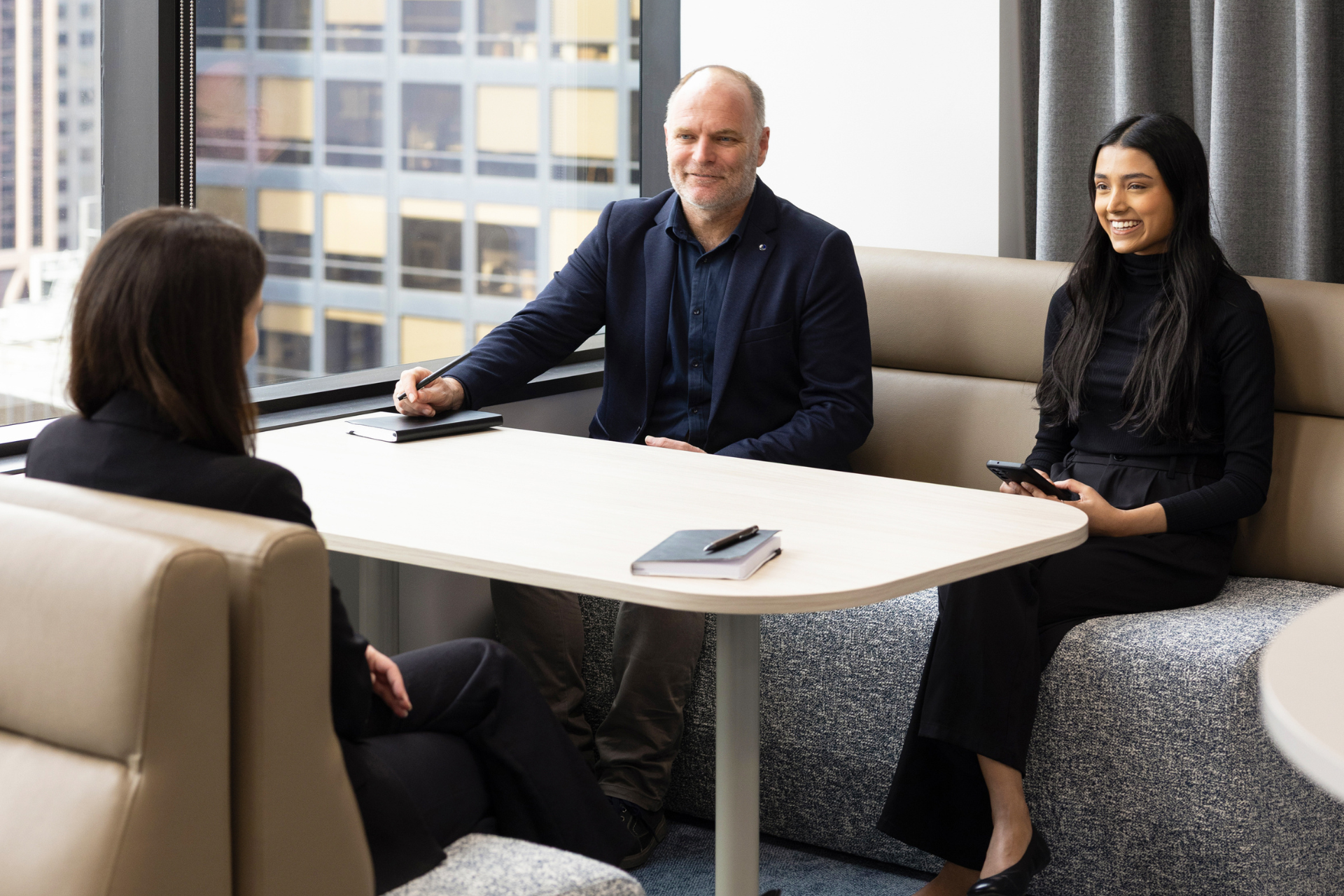

We start with how people actually work. Our team looks at behaviours, employee needs, leadership expectations and the moments that matter most in person, so the office has a clear role in hybrid work.
Employee feedback, utilisation data and leadership input help us identify work patterns, attendance drivers and friction points. These insights define what teams need from the workplace and how the office can better support performance.

Spaceful designs hybrid workplaces around purpose. The office should support focus, collaboration, learning, client experience, social connection and wellbeing, while giving people the right setting for the work they need to do.
Our workplace planning reflects real attendance patterns, peak-day demand and future flexibility. This helps create a hybrid workplace that balances efficiency, experience and adaptability, without carrying unnecessary space.
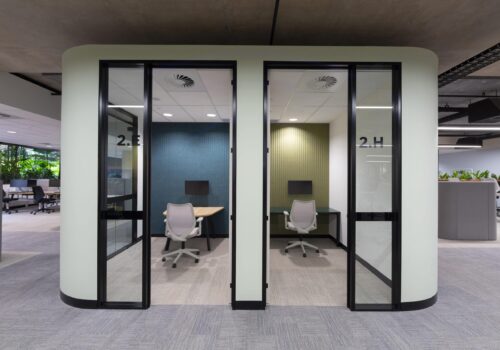
We help connect hybrid policy with how the workplace is actually used. Clear expectations give teams structure without removing flexibility, helping people understand when to come in and why it matters.
A strong hybrid policy works best when it is simple, consistent and supported by leadership behaviour. Our approach aligns workplace design, team rhythms and communication so expectations are clear and easier to follow.
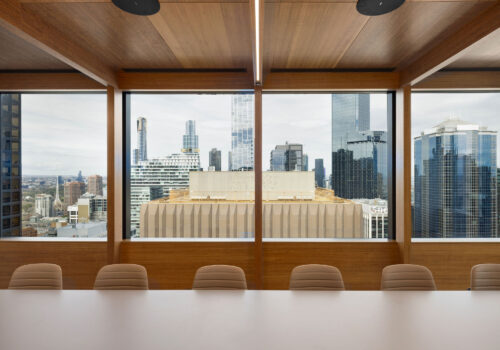
Our team helps businesses measure what matters. Hybrid work should be assessed through utilisation, employee experience and business outcomes, so leaders can see whether the workplace is supporting performance and long-term value.
Effective measurement shows how the workplace supports productivity, collaboration, culture, wellbeing and cost efficiency. These measures help leaders understand what is working, where change is needed and how hybrid work contributes to business performance.
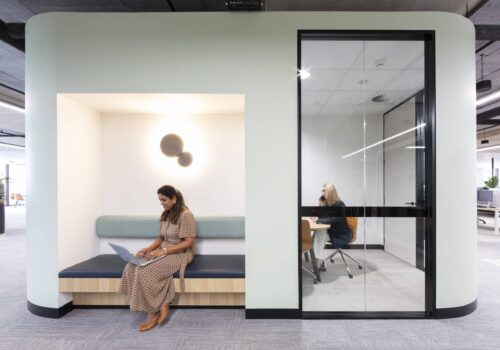
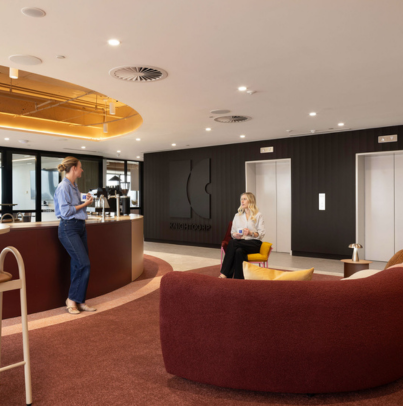
Office utilisation shows how the workplace is used across the week. This helps businesses plan for peak days, reduce underused space and create the right mix of settings for focus, collaboration and connection.
Hybrid workplaces often fail when attendance expectations, office design and employee experience are disconnected. People need clear reasons to come in, spaces that support their work and leaders who model consistent behaviours.
Businesses can make hybrid work successful by designing the office around purposeful in-person work, setting clear expectations, supporting different work styles and using data to understand what is working.
Hybrid work should be measured through utilisation, employee experience and business impact. Attendance can show when people come in, but broader measures show whether the workplace is supporting productivity, culture and performance.

With 12 years experience, Ben provides dedicated support throughout the design phase, aligning the project with your core values, purpose, and brand. He ensures outcomes reflect your goals and our commitments, offering clarity, confidence, and control across the entire property journey.
With 12 years experience, Ben provides dedicated support throughout the design phase, aligning the project with your core values, purpose, and brand. He ensures outcomes reflect your goals and our commitments, offering clarity, confidence, and control across the entire property journey.
From strategy to delivery, our work speaks for itself. Discover how our integrated team creates high-performing spaces built for people and business growth.