There is no single cost-per-square-metre figure that will tell you what your next office should cost. Your floorplate, layout, level of built form, services, technology, finishes and building conditions all influence the investment required.
This guide helps businesses understand those variables and establish a more realistic budget before major property and workplace decisions are made.
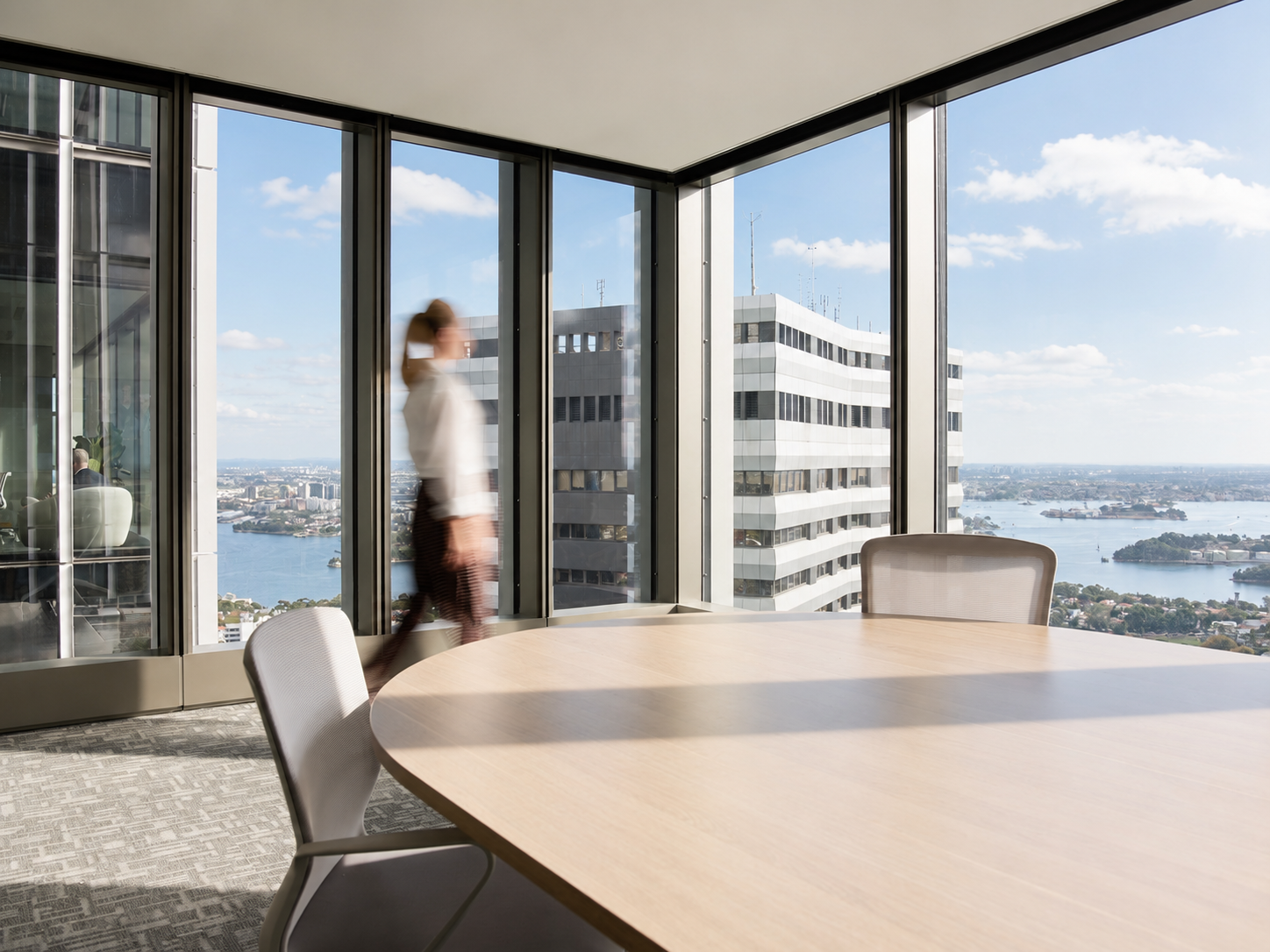
Office fit-out costs vary significantly depending on the workplace you are creating.
This guide provides indicative Australian cost ranges across different layout and specification levels, giving businesses a practical starting point for budgeting and a clearer understanding of what sits behind a cost-per-square-metre figure.

A lower fit-out rate does not necessarily mean a lower-cost workplace. The amount of space you lease, how efficiently it is planned and the ongoing cost of occupying it can have a much greater impact on the overall business case over the life of the lease.
That is why fit-out cost should be considered alongside footprint and long-term occupancy cost.

Fit-out cost is shaped by more than finishes. Floorplate efficiency, built form, services, technology, furniture, existing building conditions and programme can all affect the investment required.
Understanding these variables early helps businesses set a more realistic budget and make better-informed decisions before committing to a property.
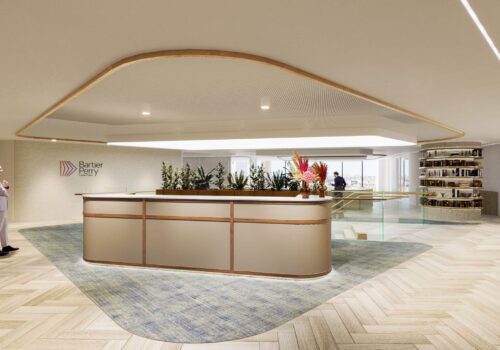
The way your workplace is planned and specified has a significant impact on cost.
More enclosed layouts typically require greater investment in partitions, glazing and services, while finish, furniture and amenity choices determine where additional budget is concentrated.


There is no single rate that applies to every workplace. Spaceful’s guide provides indicative Australian cost ranges across different workplace and investment levels. Actual costs will depend on factors including location, building condition, services, programme, scope and market conditions.
A workplace budget can include much more than construction. Depending on the project, businesses may need to allow for strategy, design and professional fees, project management, construction, furniture, technology, finishes, relocation and other project-specific costs.
Ideally, before committing to a property. A workplace brief, test fit and early cost plan can provide a more reliable indication of likely investment than a general cost-per-square-metre figure and allow different property options to be compared on a like-for-like basis.
Yes. Depending on the lease, landlord incentives can offset some of the cost of creating a new workplace. The value of the incentive should be considered alongside the likely fit-out investment, rent, lease terms and overall occupancy cost rather than assessed in isolation.
The programme depends on the size and complexity of the workplace, building conditions, approvals and scope. Starting workplace planning and technical due diligence early gives businesses more time to identify risks and establish a realistic programme before lease and move dates are locked in.
From workplace strategy through to delivery, our work speaks for itself. Discover how our integrated team creates high-performing spaces built for people and business growth.


Book a complimentary consultation to discuss likely fit-out costs, workplace strategy, space requirements, occupancy cost opportunities and landlord incentives.
Book a complimentary consultation to discuss likely fit-out costs, workplace strategy, space requirements, occupancy cost opportunities and landlord incentives.
