
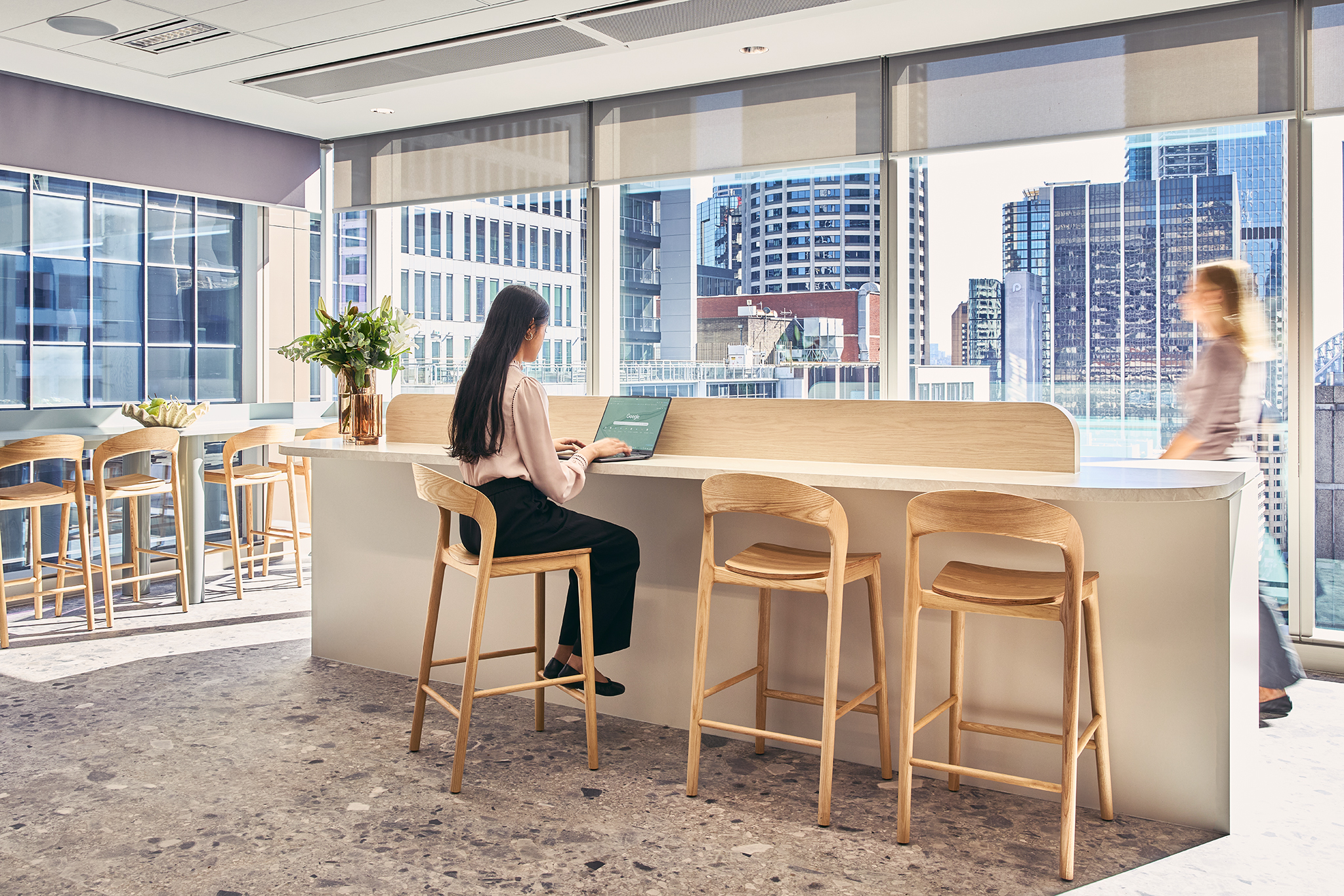
Workplace design has never stood still. Over time, organisations have moved through models as priorities changed, from cellular offices and open-plan layouts to cubicles, hot desking, activity-based working and hybrid work.
Each model reflected a different idea about what the workplace needed to achieve: hierarchy, privacy, efficiency, flexibility, collaboration or choice. Now another significant shift may be emerging.
AI, digital tools, changing employee expectations and cost pressure are reshaping how work happens. Some tasks are becoming faster and more automated. Collaboration is becoming more technology-enabled. Employees are moving between focused work, virtual meetings, informal learning, problem solving and team connection throughout the day.
Yet many workplaces remain physically static, planned around fixed assumptions about desks, teams, attendance and space use, even as work continues to change.
Property decisions have long consequences. A lease, relocation or fit-out can shape how an organisation works for years. At the same time, supply is expected to tighten in many CBD markets, construction and finance costs remain high, and the best-quality assets continue to attract stronger demand.
That makes early decision-making more important. The question is not only whether a tenancy works today, but whether it can support how the business may need to work next.
The future workplace will need to be more adaptable, but that does not mean adopting the next workplace trend simply because it feels current. Different businesses will need different combinations of stable, configurable and technology-enabled environments.
It also means designing spaces that can change without being rebuilt. Teams will grow and contract, AI will alter tasks and workflows, and attendance patterns will continue to move.
The opportunity is not to make workplaces cheaper at the expense of people. It is to make them more intelligent: efficient where they can be, generous where they need to be and adaptable enough to evolve.